Professional TV Wall Mounting Solutions for a Clean, Contemporary Appearance
Professional TV wall mounting solutions provide a viable option for those seeking to enhance their living spaces. Through providing stable mounting and optimal placement, these services contribute to a modern aesthetic while improving functionality. Licensed professionals not only evaluate wall integrity but also organize cables efficiently. This produces a clean appearance that complements modern aesthetics. However, understanding the nuances of this service can reveal even greater benefits that many homeowners might overlook.
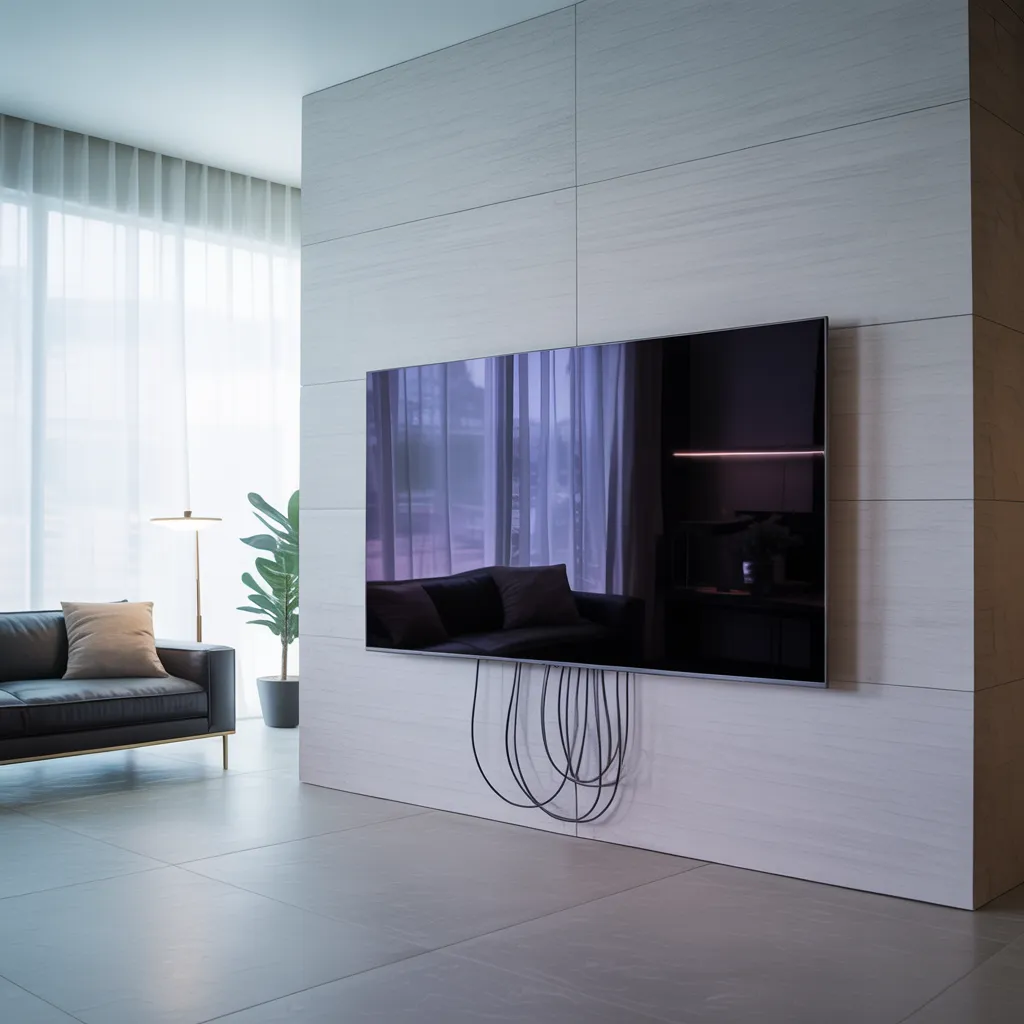
Why Choose Expert TV Wall Mounting Services
When residents contemplate hanging their televisions on the wall, they often overlook the advantages of hiring expert services. Certified wall mounting provides not only correct fitting but also enhances safety. Qualified professionals have the expertise and abilities necessary to evaluate wall materials, locate studs, and determine the best height for viewing. Such proficiency reduces the chance of injury to walls or the television unit.
Furthermore, experts can expertly oversee wiring and cable management, achieving a polished and structured aesthetic. Specialists appreciate the necessity of harmonizing design with performance, assuring that the installation complements the room's overall aesthetic. Additionally, engaging expert services generally offers warranties and guarantees, offering residents reassurance in relation to their financial commitment. By opting for skilled wall mounting services, homeowners can experience a smooth and seamless process, yielding a stable and visually impressive configuration that transforms their living area.
How Wall Mounting Elevates Your Home's Aesthetic
Wall-mounting a TV can significantly enhance a living space's overall look, as it eliminates bulky furniture and creates a streamlined look. By positioning the TV at eye level, it enhances the viewing experience while preserving a sleek, contemporary atmosphere. This minimalist approach not only reduces clutter but also allows for more versatile room layouts, making spaces feel larger and more open.
Furthermore, mounted televisions act as a central feature, allowing homeowners to create a design scheme around them with shelves or artwork that complements the room's aesthetic. The addition of hidden cables greatly improves the appearance, delivering a refined look that improves both the style and supplementary information function.
Moreover, wall mounting encourages a modern feel, aligning with today's design trends that champion elegance and simplicity. Ultimately, this thoughtful placement enhances a home's entire atmosphere, converting conventional living spaces into refined environments.
What to Expect During TV Wall Mounting
Getting ready for TV wall mounting involves a series of structured steps to ensure a seamless installation process. First, the installer evaluates the wall structure and identifies the best mounting location, taking into account factors such as wall studs and cable management. Once they have chosen the appropriate mounting bracket, they verify that all required tools and materials are at hand.
The process starts with precise measurements and marking the wall to ensure accuracy. The installer then carefully fastens the bracket, making certain it is level and anchored properly. After the bracket has been secured, the TV is methodically positioned, with careful consideration of cable management and optimal viewing angles.
Upon completing the installation, the professional technician checks the setup, verifying that the TV operates as expected and achieves the desired visual appeal. Once complete, all debris and packaging materials are removed, leaving the space tidy and ready for enjoyment.
Best Practices for TV Wall Mounting Locations
Choosing the ideal position for positioning a TV entails multiple key considerations to improve both practicality and visual appeal. Initially, the viewing distance is a key factor; a distance of 1.5 to 2.5 times the diagonal measurement of the screen is advised for ideal enjoyment. Additionally, eye level is significant; the centerpoint of the screen should be level with the viewer's eye level when in a seated position. This provides an satisfying viewing experience without creating discomfort in the neck.
Furthermore, the wall's surface and structure must be inspected to avoid any potential damage. Attaching the TV to a stud rather than drywall guarantees stronger support. It is also important to consider natural light, as glare can hinder visibility; it is recommended to position the TV away from direct sunlight. To conclude, power outlet accessibility and cable management should be considered to preserve a clean and orderly aesthetic. Following these practices guarantees a well-placed TV that complements the room's design.
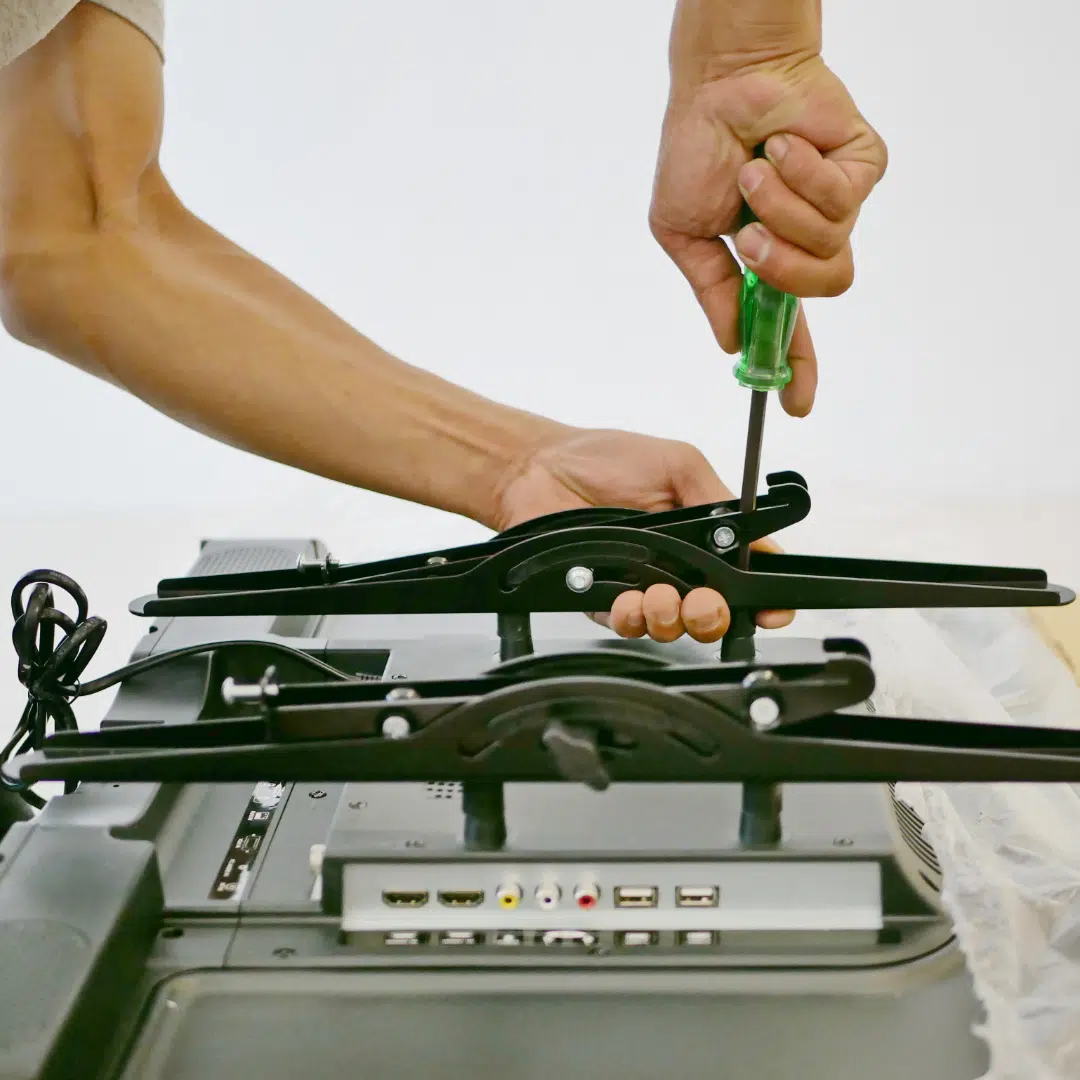
5 Major Advantages of Professional TV Mounting vs. DIY
Choosing a professional service for TV wall mounting can provide notable benefits over a do-it-yourself approach. For starters, professionals hold the skills to identify the correct mounting brackets and hardware, ensuring maximum safety and stability. Additionally, they are outfitted with dedicated tools that support effective installation, minimizing the chance of damage to walls or the TV itself. In addition, professionals can determine the optimal viewing angles and placements, improving the general aesthetic and functionality of the space. Beyond that, professional services often include warranties, providing peace of mind should any issues arise post-installation. To conclude, hiring experts saves time and effort, allowing homeowners to focus on enjoying their entertainment systems rather than dealing with installation challenges. Altogether, these benefits underscore the importance of selecting professional TV wall mounting services.
Steer Clear of These Typical TV Wall Mounting Errors
Wall-mounting a TV can be a thrilling undertaking, but several common mistakes can lead to frustration and potential damage. A common mistake involves neglecting to find wall studs, which can lead to insufficient stability for larger televisions. Moreover, overlooking proper cable routing can result in a cluttered appearance, undermining the sleek look of a mounted TV. Incorrect height placement is another common misstep; mounting too high or too low can cause neck strain and diminish viewing comfort. Moreover, using the wrong mounting hardware can compromise safety and stability. Lastly, disregarding the optimal viewing angle in relation to seating positions can reduce the quality of the experience. By sidestepping these common mistakes, people can secure a successful mount that elevates their living area. Engaging professional services can additionally mitigate these risks, providing expertise and precision for a flawless setup.
Questions We Often Receive
How Much Time Does a Standard TV Wall Mounting Service Usually Take?
A typical TV wall mounting service lasts approximately one to two hours. Elements such as wall material, the height of the mount, and essential cable management may influence the general time necessary for installation and setup.
What Tools Do You Need for DIY TV Wall Mounting?
Fundamental supplies for DIY TV wall installation comprise a stud finder, bubble level, electric drill, fasteners, wall plugs, measurement tool, and a socket set. These items ensure a reliable and proper setup for perfect TV viewing.
Am I Able to Mount a TV on Any Kind of Wall?
Yes, a TV can be mounted on several wall types, including drywall, concrete, and brick. Keep in mind that, proper mounting techniques and anchors are vital for ensuring stability and safety across different materials.
Do I Have to Supply My Own Wall Mount?
Typically, clients are required to provide their own wall mount, making sure it suits their specific TV and wall type. However, some services may offer mounts for purchase, so it is recommended to verify this in advance.
Is It Safe to Wall Mount Large, Heavy TVs?
Wall mounting oversized, heavy televisions is possible safely when the right mounts and installation methods are applied. Choosing the right hardware is essential and ensure the wall can effectively bear the television's weight.